7 FAQs About Root Canal Treatment
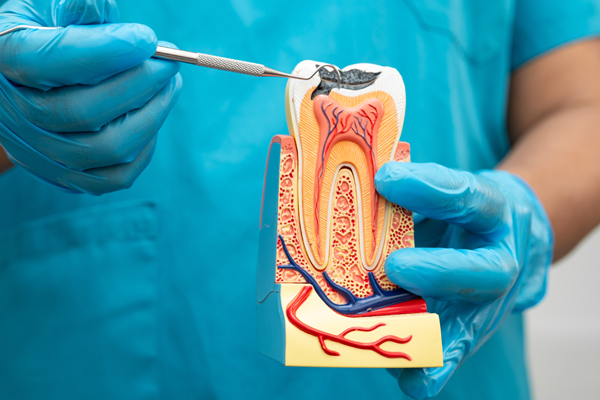
Patients often search for root canal treatment when a tooth aches from deep decay, a crack, or inflamed pulp tissue. This therapy removes irritated nerve tissue, disinfects the canal space, and seals the tooth to prevent reinfection. By preserving the natural root, the procedure maintains bite balance and chewing strength. With careful planning, a restored tooth can continue to function comfortably alongside healthy neighbors, minimizing the need for more extensive dentistry.
Common questions answered
Many patients share similar concerns before root canal treatment, so this quick guide explains what to expect.
- What is it? Root canal treatment is a procedure that cleans and shapes tiny canals inside a tooth, then fills them with a biocompatible material to block bacteria.
- Why not get a tooth extraction? Saving a tooth helps maintain jawbone and prevents shifting that can complicate chewing; extraction may require additional steps, such as implants or bridges.
- Will it hurt? Modern anesthesia and gentle techniques aim to keep the visit comfortable; lingering tenderness usually improves over a few days.
- How long does a root canal take? Many cases finish in one visit; complex roots or infections may need two appointments to ensure thorough cleaning and sealing.
- Do I still need a crown? After root canal treatment, a crown often protects back teeth from fractures by reinforcing the chewing surface and walls.
- What about infection? Antibiotics are not always required; the procedure itself removes bacteria. Your dentist may prescribe medicine if swelling or systemic symptoms occur.
- How long will the results last? With a quality seal, a proper crown, and consistent home care, results can be durable, but regular checkups help track changes over time.
These answers highlight how root canal treatment preserves tooth structure, supports bite stability, and offers a predictable path back to comfortable function.
After root canal treatment, mild tenderness is common as tissues settle, and over-the-counter pain relievers usually help. Avoid chewing on the treated tooth until the permanent crown is placed to prevent fractures. Most patients return to normal activities the same day. Insurance often covers part of the procedure, and a treatment estimate explains expected costs. Call promptly if swelling, fever, or increasing pain develops. Regular checkups, daily brushing, and interdental cleaning support long-term success effectively and help protect neighboring teeth.
Schedule your visit
If a tooth throbs with hot or cold, hurts to chew, or shows a pimple-like bump on the gums, prompt evaluation can protect the surrounding bone and prevent the spread of infection. A general dentist will examine the tooth, review X-rays, and explain whether root canal treatment, a new filling, or a crown best addresses the problem. Expect guidance on temporary precautions, such as chewing on the other side, until the final restoration is placed. Clear home-care instructions, including twice-daily brushing and daily interdental cleaning, reduce the chance of future inflammation. For more information or to schedule an appointment, call our office.
To schedule a consultation, please request an appointment on our website at https://nuvodentalgroup.com or call Nuvo Dental at (510) 402-2049 to arrange an appointment at our Union City office.
Check out what others are saying about our dental services on Yelp: Root Canal Treatment in Union City, CA.
Related Posts
Root canal treatment is often the first line of defense for treating teeth with compromised pulp chambers. The pulp chamber is the innermost layer of a tooth, and it stores nerves, blood vessels, and connective tissues. The chamber is sealed off from the rest of the tooth to protect it against bacteria and other irritants…
Knowing how to handle common dental emergencies can help protect the health, function, and appearance of the smile. Emergency dentists often see patients who need immediate dental treatment for severe issues. These simple tips provide valuable guidance on what to do in common dental emergencies to improve oral health outcomes.An emergency dentist is a general…
Are you in need of a dental restoration? Many people need to restore their teeth at some point or another in their lives. Dental restorations are often required when the teeth are in bad shape due to decay, damage, aging, or a lack of oral hygiene. Fortunately, modern dentistry has multiple restorations to choose from.Knowing…
Considering at-home teeth whitening? Many individuals experience a desire to whiten their teeth to rid them of stains. Whether it be at home or via a dental office, teeth whitening can make a significant difference when it comes to brightening one's smile.However, not everyone is in a position to undergo professional teeth whitening at a…