Important Facts About Adjusting to New Dentures
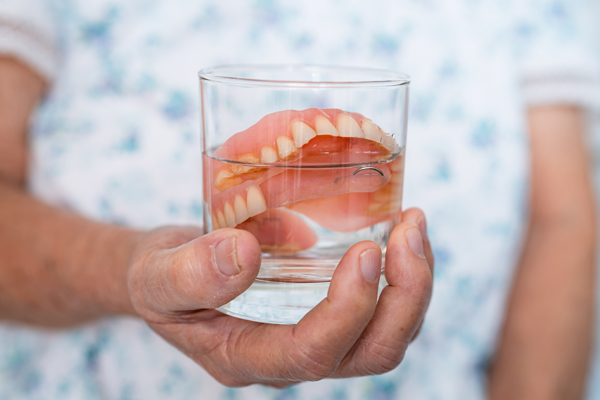
One of the challenges after replacing missing teeth is adjusting to new dentures. Although they improve your appearance and allow for better function, dentures can take some getting used to. The time it takes to adjust often depends on the amount of time you went without teeth and the type of dentures you have.
What to expect initially
Whether you have partial dentures or full ones, the first day after they are installed can feel especially strange. You have a new appliance in your mouth, and you may feel self-conscious when you speak or eat. Your cheeks and gums may feel full, and you may feel some pain along the gumline where the dentures sit. Some normal things patients notice on the first day include:
- Excess saliva
- Looseness feeling
- Soreness on the gums
- Concern about using them
How to adjust to the new dentures
Before you leave the office, the dentist will make any necessary adjustments for the correct fit. However, adjusting to new dentures will mainly occur over the first month, and there are things you can do to make the process go as smoothly as possible.
Eating
Eating is one of the most challenging things to get used to. During the first week, try to eat foods that are soothing for your gums and allow them to adjust to eating with dentures. Eat soft foods such as yogurt, bananas, mashed potatoes, soft pasta, and scrambled eggs. Extremely salty and spicy foods may irritate the gums in the beginning, so try to avoid them until your gums have adjusted. You can start eating crunchy and hard foods once you are more comfortable chewing.
You may not be able to sense temperatures at first, so test food with your fingers or lips to make sure it is not too hot before eating. As you get used to dentures, you should also eat smaller bites of food.
Speaking
Speaking is another thing that new denture wearers struggle with. The sounds "f" and "s" may be particularly hard to pronounce. To get used to speaking, singing, talking, or reading out loud at home by yourself or with a trusted friend or partner. If you notice a clicking sound when you talk, it helps if you speak slower. It may also help, before you begin speaking, to bite and swallow, as this helps reposition the dentures.
Discomfort
The gums are adjusting to new dentures, so they may develop sore and irritated spots. You may find that over-the-counter pain relievers help ease the pain. Rinsing the mouth with salt water also relieves soreness and keeps the irritated areas clean. If pain persists for weeks, you may want your dentist to check if the dentures need to be adjusted.
Oral health
Keeping your mouth and dentures clean is important. Gently brush your gums and natural teeth at least twice a day and brush the dentures at least once a day. At night, soak the dentures in a mild cleaning solution or water.
Be patient with yourself as you adjust to your new dentures
When it comes to adjusting to new dentures, keep in mind that it takes some time. However, before you know it, wearing them will feel normal and comfortable. Call our Union City to learn more tips and tricks or to schedule an appointment.
Request an appointment here: https://www.nuvodentalgroup.com or call Nuvo Dental at (510) 402-2049 for an appointment in our Union City office.
Check out what others are saying about our dental services on Yelp: Adjusting to New Dentures in Union City, CA.
Related Posts
Implant overdentures provide a stable alternative for individuals who struggle with loose dentures, and understanding implant overdentures compared with traditional dental implants helps patients choose the right solution. Both options rebuild function and appearance after tooth loss, yet they differ in how they attach to the jaw, the amount of hardware involved, and the daily…
Curious about when root canals are needed? Read on to learn more about this dental treatment. Severe tooth decay or root and pulp infections can necessitate a dental procedure known as a root canal. Although some patients may harbor concerns about this treatment, it plays a vital role in salvaging damaged teeth. By opting for…
Dentures are ideal for improving your oral health and mouth function after you lose multiple teeth. They are the best teeth replacement solution for many patients because they are affordable, non-invasive, and long lasting. In this review, we discuss three important questions that you should ask your dentist before getting dentures.It helps to have as…
The popularity of dental implants is on the rise, and for good reason. They are known as the closest tooth replacement option to natural teeth. In this way, they not only restore the natural appearance of a person's smile but also restore its original function.Though dental implants offer many exciting benefits, they may not be…