Laser Dentistry vs. Traditional Drilling for Dental Procedures
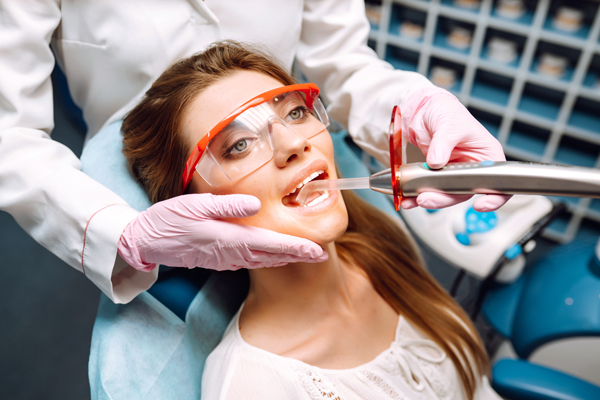
Laser dentistry offers an alternative to ultrasonic drills by using focused light to remove tooth decay, shape tissue, and sanitize surfaces. Although the traditional drill delivers reliable results for many dental needs, dental lasers have improved the effectiveness of conservative techniques and patient comfort. A trusted dentist can recommend one approach over the other after considering your dental condition and preferences.
An overview of traditional dental drilling
Traditional dental drills remain an important part of everyday dentistry. Dental professionals often use a drill for deep cavities, large restorations, or situations requiring extensive tooth reshaping. These tools can quickly remove decayed areas and shape teeth for dental restorations, such as:
- Dental fillings
- Dental inlays
- Dental onlays
- Dental crowns
Traditional drilling is particularly effective at reaching difficult angles, making it an ideal choice for complex dental work.
How laser dentistry works
Nevertheless, advances in laser technology now allow many patients to benefit from a quieter, more targeted approach. Laser dentistry uses focused light energy to interact with water and pigments in enamel, dentin, and soft tissue. By adjusting the laser's wavelength and power settings, the dentist can gently remove decay, reshape the patient's gums, or clean infected areas with remarkable precision. Since the beam targets only the treated area, it leaves more of the surrounding healthy tooth or gums untouched.
Moreover, laser dentistry offers a more comfortable experience than traditional drilling. Patients typically experience less noise, less vibration, and a gentler sensation during laser treatments. Some small cavities and soft-tissue procedures may even require little to no local anesthesia, which can shorten the duration of mouth numbness after the visit. This feature makes lasers especially appealing to patients who feel nervous about the sound and sensation of a conventional drill or the needles needed for numbing injections.
When dentists recommend laser dentistry
A dentist may recommend laser dentistry for a variety of reasons. Some of the most common include:
- Treating small to medium cavities in enamel or shallow dentin
- Managing early decay around existing dental restorations
- Gently contouring or reshaping gum tissue to improve symmetry
- Disinfecting gum pockets or areas of infection
Additionally, soft-tissue injuries or infections can benefit from the laser's ability to disinfect the affected area during the procedure. The beam kills many bacteria in the treatment field and can cauterize tiny blood vessels. As a result, the dentist can perform the procedure with cleaner margins, leading to reduced bleeding and faster healing.
Choosing the right method for a dental procedure
A comprehensive dental exam guides the decision between traditional drilling and laser dentistry. The dentist will consider the patient's current dental condition, existing restorations, and saliva production, among other factors. In general, laser dentistry is best suited for small lesions, early decay, and minor soft-tissue reshaping. However, deep decay, fractured cusps, or large failing restorations may require traditional drilling to ensure complete removal of damaged tissue and thorough preparation for dental restorations.
Ask the Nuvo Dental team about laser dentistry today
Laser dentistry can make dental procedures more comfortable and lead to a faster recovery. The Nuvo Dental team can explain how we use lasers in our practice and what benefits you can expect from choosing this method over traditional drills. Do you have questions for us? Call our Union City office today to learn more or to schedule an appointment.
Request an appointment here: https://nuvodentalgroup.com or call Nuvo Dental at (510) 402-2049 for an appointment in our Union City office.
Check out what others are saying about our dental services on Yelp: Laser Dentistry in Union City, CA.
Related Posts
Considering dental implants? This method for replacing missing teeth is one that more and more dental professionals are recommending. However, with all things come a few downsides too. Keep reading to learn more about the pros and cons of dental implants.Outlined below are both the pros and cons of dental implants. This information should be…
Following a root canal, patients must restore the tooth to ensure it is fully functional. Dental crowns are the most commonly used dental restoration after these procedures. Their full coverage and natural appearance make for a well-rounded restoration that blends in with the rest of the smile. Read on to learn more about crowns and…
Tooth infections are something that no one wants, but the only way to deal with them properly is with root canals. Most people hear the term root canal, and they start to cringe. This is because we have been led to believe root canals are one of the worst procedures to have done at the…
With increasing numbers of people seeking to brighten their smiles, teeth whitening is one of the most popular cosmetic procedures dentists offer. In addition to the range of professional teeth whitening treatments, many do-it-yourself whitening products are available in grocery stores. Many times, these store-bought options seem very economical.However, there is a catch. Though these…