Tips From an Emergency Dentist You Need to Know
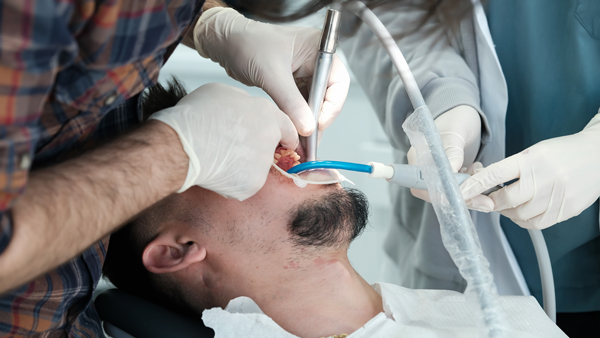
Knowing how to handle common dental emergencies can help protect the health, function, and appearance of the smile. Emergency dentists often see patients who need immediate dental treatment for severe issues. These simple tips provide valuable guidance on what to do in common dental emergencies to improve oral health outcomes.
Smile-saving tips from an emergency dentist
An emergency dentist is a general or cosmetic dentist with training and availability to treat urgent dental matters. From cracked to knocked-out teeth, they can help. Here are five tips from an emergency dentist that could save a patient’s smile:
Even minor cracks can be a dental emergency
While some cracked teeth may seem minor, even small fractures can expose the inner structures of the tooth to bacteria, temperature changes, and further trauma. What may look like a cosmetic issue can quickly develop into a painful infection or require more extensive treatment, such as root canal therapy. Cracks that are deep enough to reach the pulp chamber can lead to inflammation or necrosis of the nerve, especially if left untreated. Fortunately, an emergency dentist can stabilize the tooth with dental bonding, a dental crown, or other restorative options to prevent complications.
If a toothache lasts, see a dentist
A dull, throbbing ache or sharp, shooting pain that lasts more than a day may indicate problems such as an infected pulp, a damaged filling, or deep decay. While over-the-counter medication can help alleviate pain, ignoring a toothache in the hope that it will go away on its own can actually cause it to worsen in the long term. Emergency dentists can assess the root cause of the pain and provide appropriate treatment, whether it involves removing the decay, repairing a fracture, or addressing an infection before it spreads.
Never pop an abscess on your own
A dental abscess is a pocket of pus caused by bacterial infection, typically forming at the root of a tooth or between the gum and tooth. While these infections are painful and unsightly, it is not recommended to try to drain or pop the abscess at home. Doing so can spread bacteria deeper into the tissues or even into the bloodstream, leading to serious health risks. Emergency dentists treat abscesses by addressing the source of the infection, often through drainage, antibiotics, or root canal therapy.
Do not wiggle loose permanent teeth
It can be tempting to touch, wiggle, or even attempt to reposition a loose tooth. However, this can damage the surrounding ligaments and decrease the chances of successful reattachment or stabilization. It is safer to visit an emergency dentist, who can use splinting techniques to secure a loose tooth to the neighboring teeth.
See a dentist within an hour for a knocked-out tooth
A knocked-out tooth has a strong chance of being saved if treated within 30 to 60 minutes. Handle it by the crown, rinse gently if dirty, and place it back in the socket or store it in milk or saliva before heading out to the dentist’s office. Emergency dentists can often replant the tooth and provide follow-up care, especially if treatment is quick.
Need to see an emergency dentist?
For non-life-threatening dental emergencies, reach out to an emergency dentist. At {{DBA}}, we help patients who are dealing with a range of urgent dental matters, from tooth pain to loose teeth and more. Contact our Union City office today for more information.
Request an appointment here: https://www.nuvodentalgroup.com or call Nuvo Dental at (510) 402-2049 for an appointment in our Union City office.
Check out what others are saying about our dental services on Yelp: Emergency Dentist in Union City, CA.
Related Posts
Curious about when root canals are needed? Read on to learn more about this dental treatment. Severe tooth decay or root and pulp infections can necessitate a dental procedure known as a root canal. Although some patients may harbor concerns about this treatment, it plays a vital role in salvaging damaged teeth. By opting for…
Dentures are ideal for improving your oral health and mouth function after you lose multiple teeth. They are the best teeth replacement solution for many patients because they are affordable, non-invasive, and long lasting. In this review, we discuss three important questions that you should ask your dentist before getting dentures.It helps to have as…
The popularity of dental implants is on the rise, and for good reason. They are known as the closest tooth replacement option to natural teeth. In this way, they not only restore the natural appearance of a person's smile but also restore its original function.Though dental implants offer many exciting benefits, they may not be…
Dental fillings are the most common type of tooth restoration, used to treat minor to moderate cavities. Though the process of getting a filling is fairly simple, it helps to know what is involved and what your options are. This article explains the dental filling process, the types of material used, and the advantages and…