Tooth vs. TMJ Pain: 5 Important Differences to Know
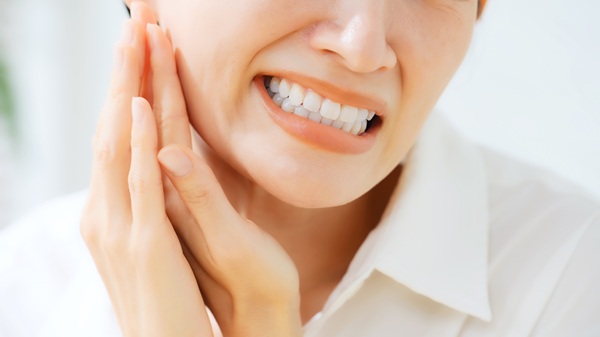
TMJ (temporomandibular joint) issues and toothaches can cause similar side effects. Both conditions cause discomfort, but it can feel incredibly frustrating, especially when it is not clear whether the issue stems from a toothache or a more complex problem. Persistent soreness in the jaw region often mimics a deep dental infection, leaving many individuals confused about which type of care to seek. That is why our dentist evaluates these overlapping patterns of discomfort to uncover the true origin of the distress.
5 Distinctions between standard toothaches and TMJ issues
1. Focal specificity versus broad radiating discomfort
True toothaches typically remain in a specific area, making it relatively easy to identify the problematic tooth. In contrast, an issue within the TMJ creates a much wider wave of soreness that extends to the cheeks, temples, ears, and neck. However, when an uncomfortable sensation radiates across an entire side of the face rather than focusing on a single spot, a TMJ issue is often the main culprit.
2. Functional triggers and jaw movement limitations
Musculoskeletal issues often cause sharp discomfort during everyday activities such as yawning, laughing, or chewing hard foods. Individuals with TMJ dysfunction often experience a limited range of motion or a sudden sensation of the jaw catching mid-movement. While a severe toothache reacts strongly to cold beverages or sugary treats, it rarely restricts the actual physical opening and closing mechanics of the mouth. Allowing the dentist to monitor how the jaw moves provides insight for the most effective solutions.
3. The presence of auditory joint noises
A distinct clicking, popping, or grating sound on the side of the face during meals is a classic hallmark of a TMJ concern. These auditory changes happen when an internal disc shifts slightly out of its proper alignment during normal movement. Cavities, decaying teeth, and abscesses, on the other hand, cause intense throbbing or sharp pressure sensations but never generate these clicking noises inside the joint structure itself. Listening to the behavior of the jaw helps clarify the situation immensely during a routine checkup.
4. Accompanying headaches and surrounding tension
Chronic tension headaches, persistent ear fullness, and steady neck stiffness frequently travel alongside a structural jaw misalignment. The intense physical pressure from clenching or grinding teeth overnight (bruxism) can strain the surrounding muscle groups, leading to widespread upper-body tension. If morning headaches recur alongside facial soreness, a deeper look at the entire muscular network is highly beneficial. Note that a standard toothache rarely causes widespread tension throughout the shoulders and neck.
5. Specific dental sensitivity vs. diffuse achiness
True tooth discomfort usually responds directly to specific triggers, such as hot coffee, cold drinks, or direct biting pressure on a single surface. However, a person experiencing a TMJ flare-up may describe a vague, widespread ache across multiple upper or lower teeth, without a clear point of origin. A dentist performs precise tests to differentiate between a focal nerve infection and muscle-driven pain. This step prevents unnecessary procedures on completely healthy enamel structures.
Find the source and receive treatment
Understanding these key differences in pain patterns empowers individuals to seek the right care, whether the solution involves a custom nightguard or a standard dental filling. In the end, isolated tooth issues remain highly sensitive to temperatures, while a chronic TMJ disorder creates a much broader impact that involves joint noises, headaches, and physical movement limitations. If you are experiencing any of the above symptoms, whether mild or severe, contact our office and schedule an appointment.
Request an appointment here: https://nuvodentalgroup.com or call Nuvo Dental at (510) 402-2049 for an appointment in our Union City office.
Check out what others are saying about our dental services on Yelp: TMJ in Union City, CA.
Related Posts
The popularity of dental implants is on the rise, and for good reason. They are known as the closest tooth replacement option to natural teeth. In this way, they not only restore the natural appearance of a person's smile but also restore its original function.Though dental implants offer many exciting benefits, they may not be…
Dental fillings are the most common type of tooth restoration, used to treat minor to moderate cavities. Though the process of getting a filling is fairly simple, it helps to know what is involved and what your options are. This article explains the dental filling process, the types of material used, and the advantages and…
If you are looking to replace missing or failing teeth, there are two common solutions: dental implants and dentures. However, each has its advantages and disadvantages. This blog will explore the differences between implants and dentures to help you decide which is best for you.Dental implants are the preferred choice for patients looking for a…
Dental fillings are one of the most common ways that cavities are treated by dentists. For cavities that are mild to moderate, dental fillings are the most appropriate route to take. Additionally, it is one of the most straightforward procedures to perform. With that, it is helpful to have an understanding of what goes on…